
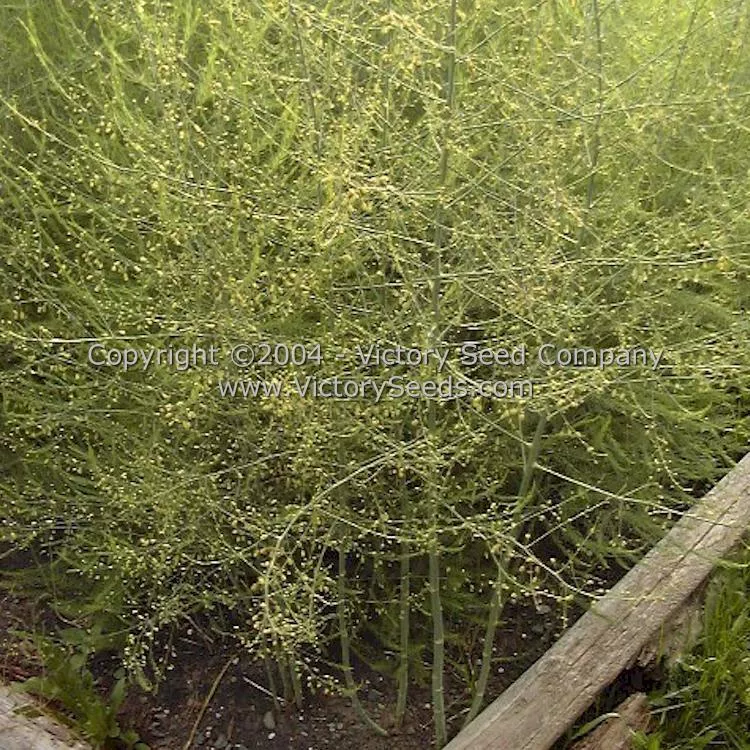


Mary Washington Asparagus
Price: $3.45
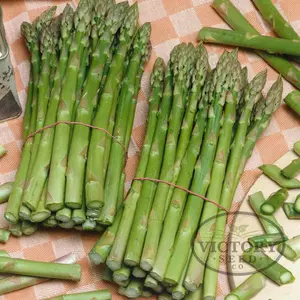
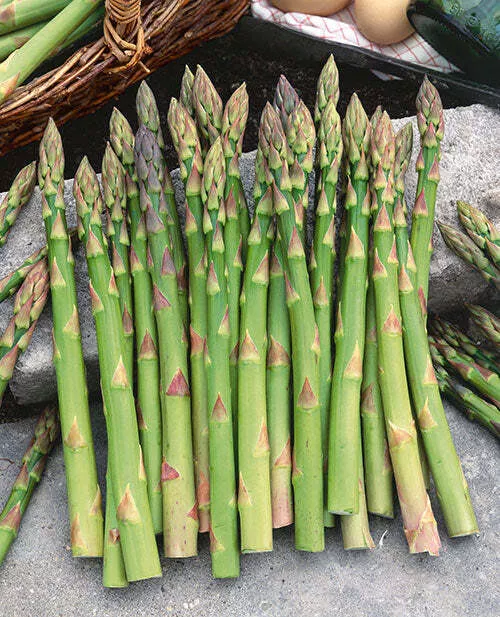
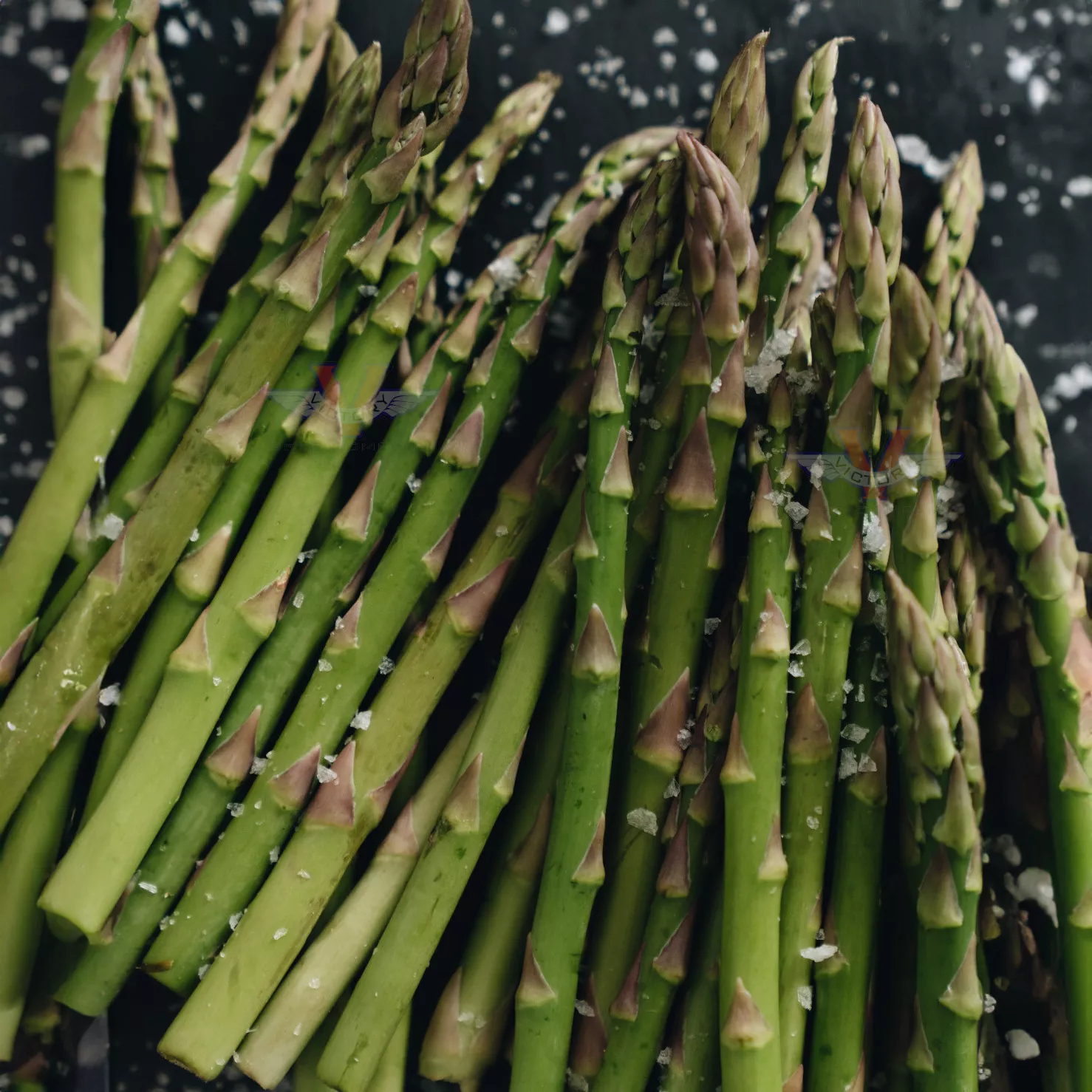
SKU: 3020011'Mary Washington' asparagus was bred by Dr. J. B. Norton of the U.S. Department of Agriculture and was one of his releases in the "Washington line" of asparagus varieties. Other varieties included 'Martha Washington' and 'Waltham Washington' but it was this variety, 'Mary Washington' that offered more uniform size, as well as resistance to asparagus rust. Click Here for planting instructions.
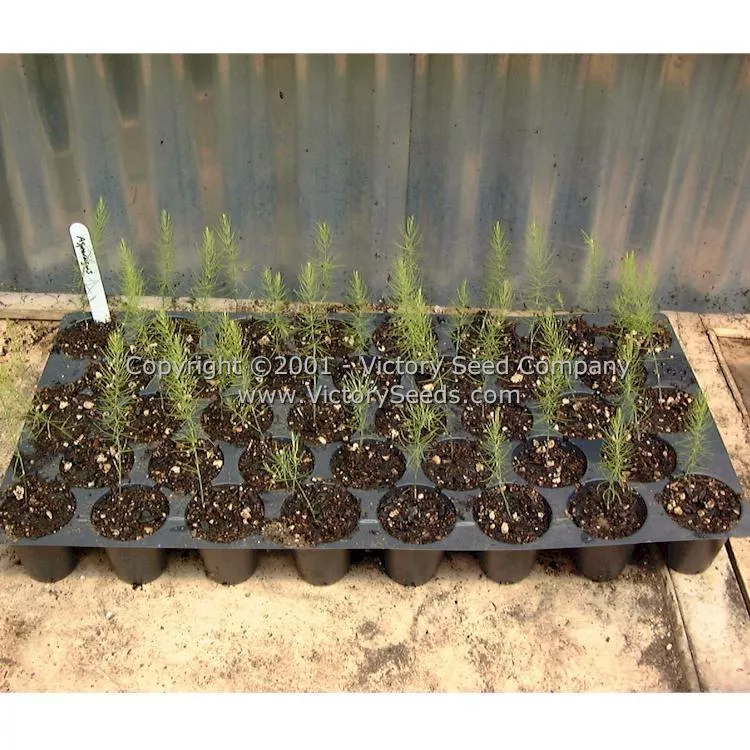
Planting Instructions: Start the seeds indoors or in a greenhouse 60 to 90 days prior to your last expected frost date. Direct seeding into the garden is not recommended. Soil temperature is important for germination but even under perfect conditions, germination can take quite a while. Soaking seeds in warm water for four to six hours or nicking the seed coats prior to sowing will improve germination times.
Choosing the location to establish your asparagus bed is important. This is a "homesteading" task and one that many pioneers performed. You can still find asparagus beds along the old fence lines of many an old homestead property. The point here is to not only choose a location with the optimal growing conditions, but one that you will be happy with for years to come.
Choose a location that receives full sun. Four to six hours of daily sunlight would be considered a minimum amount. Since the plants like to grow deep roots, well drained, heavily composted soil is required. Asparagus likes to be fed - manure and compost are very important to successful crops. A good, balanced, organic fertilizer with a composition of 10-10-10 applied in the spring is beneficial.
If you live in a location where the winter soil can freeze, trim the plants in the fall and cover the bed with six inches of straw or a foot or so of leaf mulch. In the spring, as the temperatures start to rise, uncover the beds and allow them to gradually warm up. This is also the right time to apply your spring fertilizer feeding. Mulching over winter also helps reduce the weeding task. Maintaining a weed free asparagus bed is also very important.
As previously noted, it is very important to allow your plants to become established and for the root crowns to grow big and strong. By not harvesting for a few years, it allows the plants to grow and store food reserves in the roots that will result in larger spears the following year.
More Info:
- http://ohioline.ag.ohio-state.edu/hyg-fact/1000/1603.html - Ohio State University Extension Service Fact Sheet, "Growing Asparagus In The Home Garden."
- http://anrcatalog.ucdavis.edu/pdf/7234.pdf - Asparagus Production In California, Detailed, Four Pages, Adobe Acrobat Reader Required.
- Easy Gardening...Asparagus - Texas Agriculture Extension Service Asparagus Fact Sheet.
Customer Reviews:
By Michael Rundquist on January 6, 2016
Always wonderful, every year my asparagus bed grows. I save the red berries and replant them. I do however pull almost all the female plants to cut down on unwanted volunteers the following year and replace them with males. It makes the most wonderful snack fresh from the garden as I plant the rest of the garden.
By David Good on September 30, 2015
Started these seeds two years ago and had almost 100% germination. Plants are doing great and my two year old son has enjoyed stealing the very young spears when I'm not looking and snacking away.
By Rachel Lewis on February 6, 2015
This is well worth the wait from seed. Although it takes more patience watching the different stages of this fern grow is wonderful. The second year I had a few thin but edible shoots. I wish I had not moved as there sure to be thick and delicious shoots of asparagus this year!
By Joe DeMeo on March 7, 2014
These seeds were started indoors very early in the season and then moved outside to full sun. Half way through the season we had little rain and the plants dried all up but they all came back green and healthy once the weather improved. Can't wait to see how they look this year!
By David Emigh on July 19, 2013
Perfect germination, indifferent to weather and pests. A fine choice.