
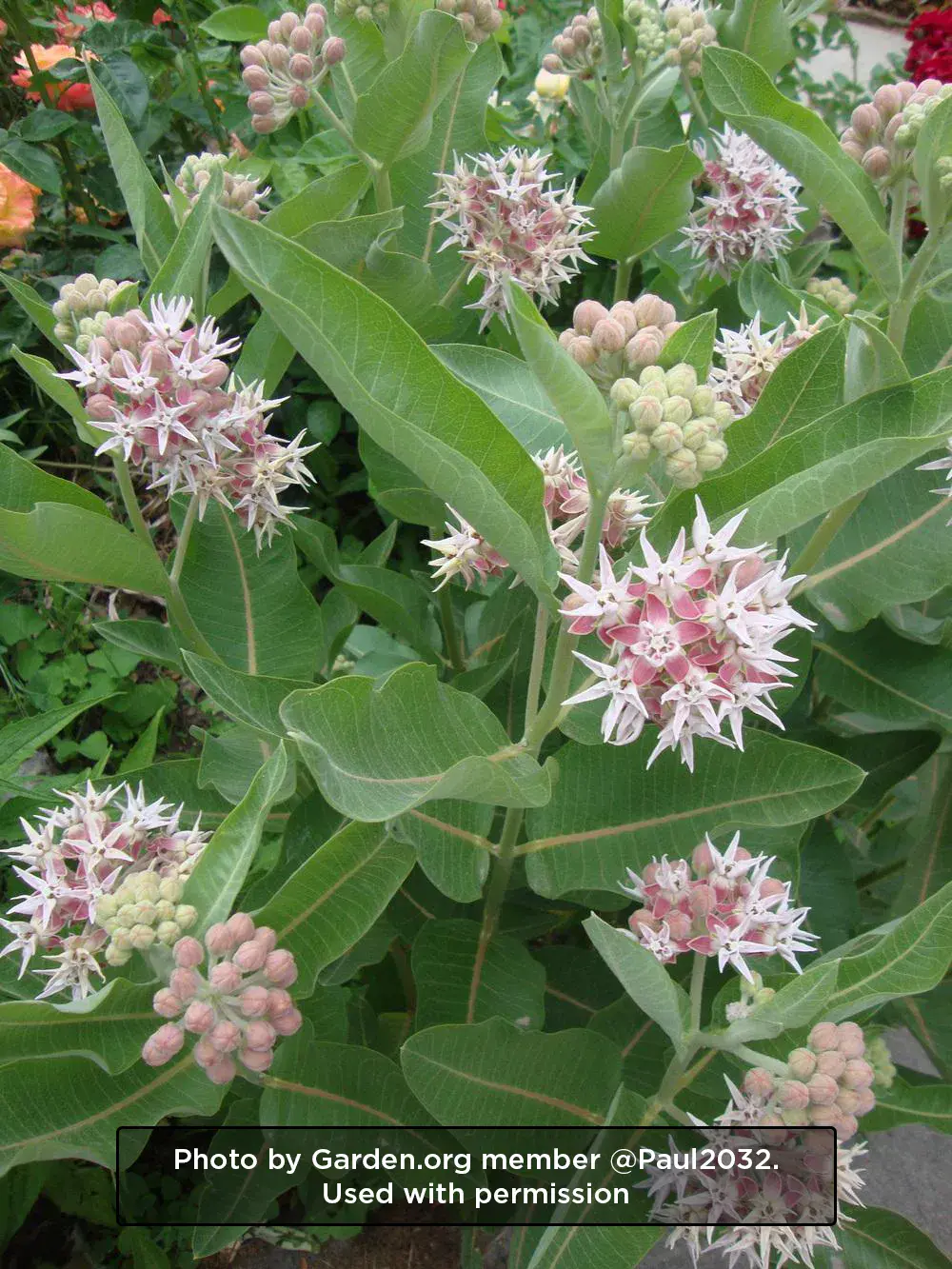
Showy Milkweed
Asclepias speciosa
Price: $4.18
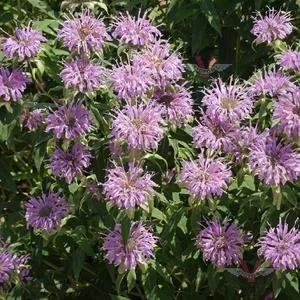
SKU: 20230091Showy Milkweed (Asclepias speciosa) is a native milkweed found across the central and western United States. This herbaceous perennial grows 3 to 5 feet tall and blooms from May through September. The large, round flower clusters open in shades of lavender to pale pink, and the thick, fleshy stems and leaves give the plant a distinct look in the garden.
Showy Milkweed is a host plant for the monarch butterfly, and milkweed is the only food source for monarch caterpillars. With monarch numbers down sharply over the past two decades, planting milkweed plays a critical role in their survival. It also acts as a larval host for the dogbane tiger moth and the queen butterfly, and it draws in bees and other pollinators. The apple clearwing moth visits it as well.
In the wild, Showy Milkweed grows along ditches and roadsides and in moist meadows, fields, and other open sites. The plants spread by underground rhizomes, so they fill in an area over time. The shoots, pods, silks, and flower buds are edible and have an asparagus-like flavor.
Safety note: the milky sap is poisonous if eaten in large amounts, and skin contact may cause a rash in sensitive people.
Showy Milkweed is a host plant for the monarch butterfly, and milkweed is the only food source for monarch caterpillars. With monarch numbers down sharply over the past two decades, planting milkweed plays a critical role in their survival. It also acts as a larval host for the dogbane tiger moth and the queen butterfly, and it draws in bees and other pollinators. The apple clearwing moth visits it as well.
In the wild, Showy Milkweed grows along ditches and roadsides and in moist meadows, fields, and other open sites. The plants spread by underground rhizomes, so they fill in an area over time. The shoots, pods, silks, and flower buds are edible and have an asparagus-like flavor.
Safety note: the milky sap is poisonous if eaten in large amounts, and skin contact may cause a rash in sensitive people.
Plant Size (Height): 36-50
Lifespan: Perennial
Sun Requirements: Full Sun
Water Needs: Moderate
Best sowing Method: Direct Sow (in-situ)
Blooming Season: Summer
Wildlife Interactions: Attracts Bees
Wildlife Interactions: Attracts Butterflies
Native: AZ, CA, CO, ID, IL, IA, KS, MI, MN, MT, NE, NV, NM, ND, OK, OR, SD, TX, UT, WA, WI, WY
Genetic Classification: Open Pollinated
Lifespan: Perennial
Sun Requirements: Full Sun
Water Needs: Moderate
Best sowing Method: Direct Sow (in-situ)
Blooming Season: Summer
Wildlife Interactions: Attracts Bees
Wildlife Interactions: Attracts Butterflies
Native: AZ, CA, CO, ID, IL, IA, KS, MI, MN, MT, NE, NV, NM, ND, OK, OR, SD, TX, UT, WA, WI, WY
Genetic Classification: Open Pollinated
Cold stratification: Showy Milkweed seed has high natural dormancy and needs a cold, moist period before it will sprout. It also has a naturally low germination rate, so plant about twice as much as you want to end up with. Give the seed at least 30 days (up to 60) below 40°F in moist soil, sand, or vermiculite. Two easy ways to do this:
Sowing depth: Plant the seed 1/4 to 1/2 inch deep. Light helps germination, so do not bury them too deep. Keep the soil moist.
Indoor start: You can start seed indoors 6 to 8 weeks before your last frost.
Germination: At 65 to 70°F, seedlings usually appear in about 14 to 21 days (often within 1 to 3 weeks).
Spacing and care: Space plants 12 to 24 inches apart. Pick a spot with full sun and good drainage; moist, fertile soil and low competition from taller plants suits it best. Keep new plants well watered until they are established, after which they are drought tolerant and need little care. Plants spread by underground rhizomes, so choose a spot where they can fill in and stay for years. They are frost hardy, die back in fall, and return each spring. Flowers may appear the first summer but often hold off until the second year.
- Fall or early winter sowing: Sow directly into a prepared bed, or into pots left outdoors from November through February, and let winter handle the cold treatment.
- Refrigerator method: Mix the seed with moist sand, vermiculite, or a damp coffee filter in a sealed plastic bag and chill for 3 to 4 weeks. Then move it to a warm, bright spot.
Sowing depth: Plant the seed 1/4 to 1/2 inch deep. Light helps germination, so do not bury them too deep. Keep the soil moist.
Indoor start: You can start seed indoors 6 to 8 weeks before your last frost.
Germination: At 65 to 70°F, seedlings usually appear in about 14 to 21 days (often within 1 to 3 weeks).
Spacing and care: Space plants 12 to 24 inches apart. Pick a spot with full sun and good drainage; moist, fertile soil and low competition from taller plants suits it best. Keep new plants well watered until they are established, after which they are drought tolerant and need little care. Plants spread by underground rhizomes, so choose a spot where they can fill in and stay for years. They are frost hardy, die back in fall, and return each spring. Flowers may appear the first summer but often hold off until the second year.
Customer Reviews:
Do you have experience with this one? 📝 📣 Write a review!
No reviews have been posted yet.