
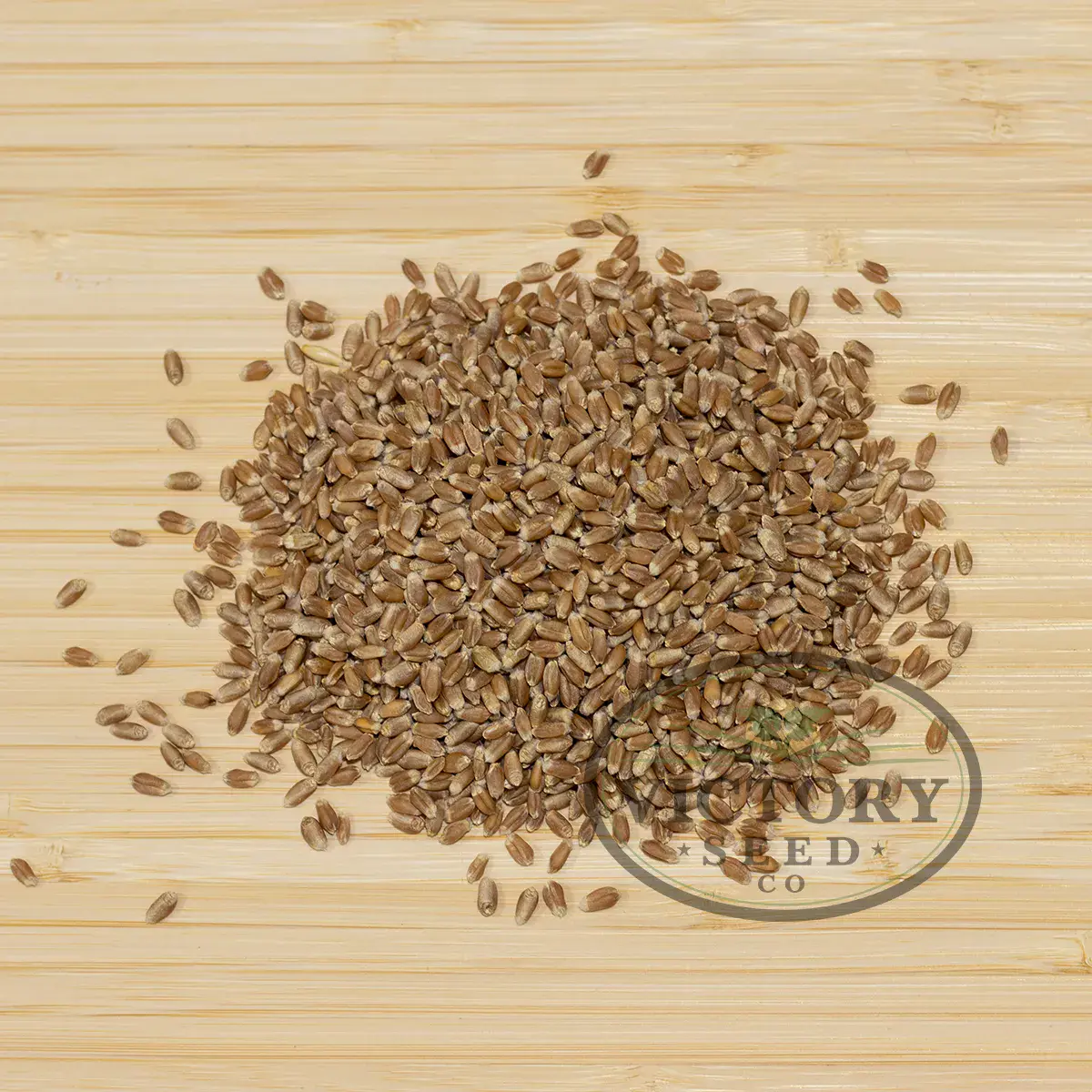


Rouge de Bordeaux Wheat
Triticum aestivum
Price: $3.95
SKU: 36000831Choose a variant:
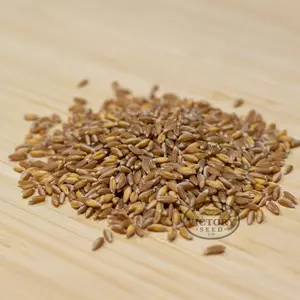
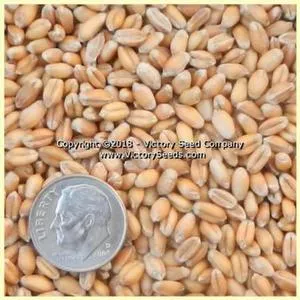
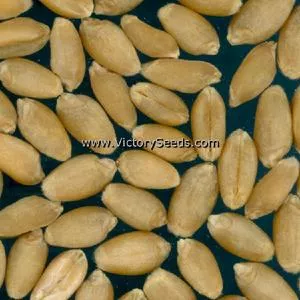
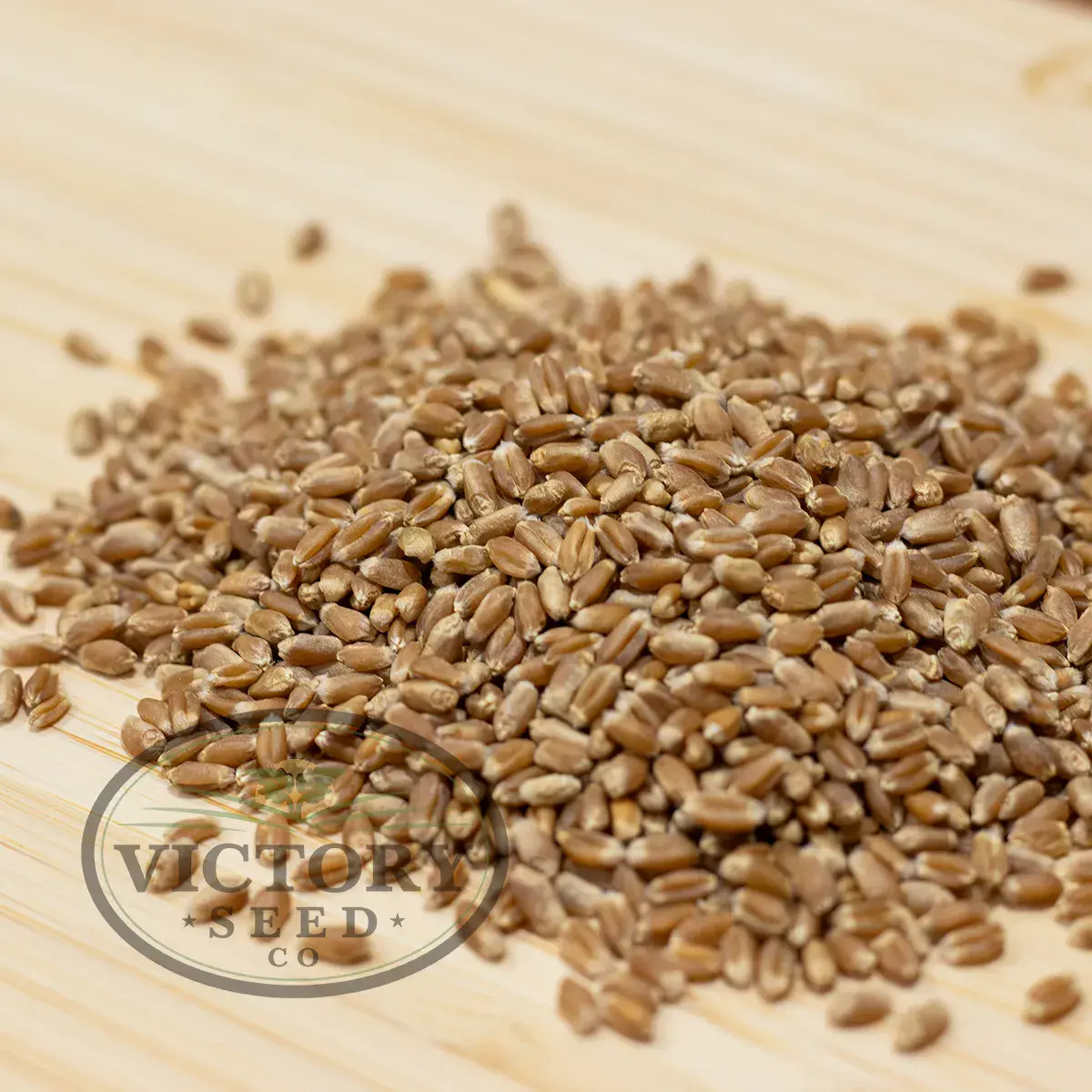
Rouge de Bordeaux is a hard red winter wheat with roots in the Aquitaine region of southwestern France. Historical records mention the variety as far back as the 14th century, and it was the wheat French bakers used to make the earliest baguettes in the 17th century. By the mid 20th century, farmers had moved on to higher yielding modern varieties, and Rouge de Bordeaux nearly disappeared. Seed savers in France brought it back from near extinction in the late 1990s, and it's now grown again by farmers who value its flavor and nutrition over yield alone.
This is a heritage, landrace grain, not a modern hybrid. It's awnless and well suited to clay soil and a Mediterranean climate of warm dry summers and wet mild winters, though it also grows well as a spring wheat in the US.
Protein content runs around 14.2%, which is high for a bread wheat. The flavor is nutty and earthy, with a sweet aroma similar to cinnamon and other baking spices. Bakers use it for hearth breads, brioche, pizza dough, cookies, muffins, crackers, pretzels, and yeasted rolls. It performs well even at 100% whole grain, giving a good rise and open crumb instead of the dense result many whole grain breads produce.
Some people with gluten sensitivity have told us that products made with Rouge de Bordeaux don't cause the reaction they normally get from wheat. We can't promise this will be true for everyone, but it's worth mentioning.
This is a heritage, landrace grain, not a modern hybrid. It's awnless and well suited to clay soil and a Mediterranean climate of warm dry summers and wet mild winters, though it also grows well as a spring wheat in the US.
Protein content runs around 14.2%, which is high for a bread wheat. The flavor is nutty and earthy, with a sweet aroma similar to cinnamon and other baking spices. Bakers use it for hearth breads, brioche, pizza dough, cookies, muffins, crackers, pretzels, and yeasted rolls. It performs well even at 100% whole grain, giving a good rise and open crumb instead of the dense result many whole grain breads produce.
Some people with gluten sensitivity have told us that products made with Rouge de Bordeaux don't cause the reaction they normally get from wheat. We can't promise this will be true for everyone, but it's worth mentioning.
Lifespan: Annual
Sun Requirements: Full Sun
Genetic Classification: Open Pollinated
Sun Requirements: Full Sun
Genetic Classification: Open Pollinated
Planting as winter wheat:
-Plant in fall, about 4 to 6 weeks before the first hard frost, so plants can establish roots before winter dormancy.
-Seed at a depth of 1 to 1.5 inches.
-Space rows 6 to 12 inches apart, depending on your equipment.
-Wheat needs a period of cold temperatures (vernalization) to trigger spring growth, so fall planting in a cold winter region is important.
Planting as spring wheat (in areas with mild or short winters):
-Plant as early in spring as the soil can be worked, once the risk of hard freeze has passed.
-Seed at the same depth and spacing as above.
Water: Needs consistent moisture during establishment and again during grain fill. Drought tolerant once established, but yields improve with adequate water.
Harvest: Ready to harvest in early to mid summer for winter plantings, once the grain heads turn golden and the kernels are hard and dry. Spring plantings will harvest later in the season.
Care: Watch for common wheat diseases such as rust and fungal issues, especially in humid climates. Good air flow and crop rotation help reduce disease pressure.
-Plant in fall, about 4 to 6 weeks before the first hard frost, so plants can establish roots before winter dormancy.
-Seed at a depth of 1 to 1.5 inches.
-Space rows 6 to 12 inches apart, depending on your equipment.
-Wheat needs a period of cold temperatures (vernalization) to trigger spring growth, so fall planting in a cold winter region is important.
Planting as spring wheat (in areas with mild or short winters):
-Plant as early in spring as the soil can be worked, once the risk of hard freeze has passed.
-Seed at the same depth and spacing as above.
Water: Needs consistent moisture during establishment and again during grain fill. Drought tolerant once established, but yields improve with adequate water.
Harvest: Ready to harvest in early to mid summer for winter plantings, once the grain heads turn golden and the kernels are hard and dry. Spring plantings will harvest later in the season.
Care: Watch for common wheat diseases such as rust and fungal issues, especially in humid climates. Good air flow and crop rotation help reduce disease pressure.
Customer Reviews:
Do you have experience with this one? 📝 📣 Write a review!
No reviews have been posted yet.