
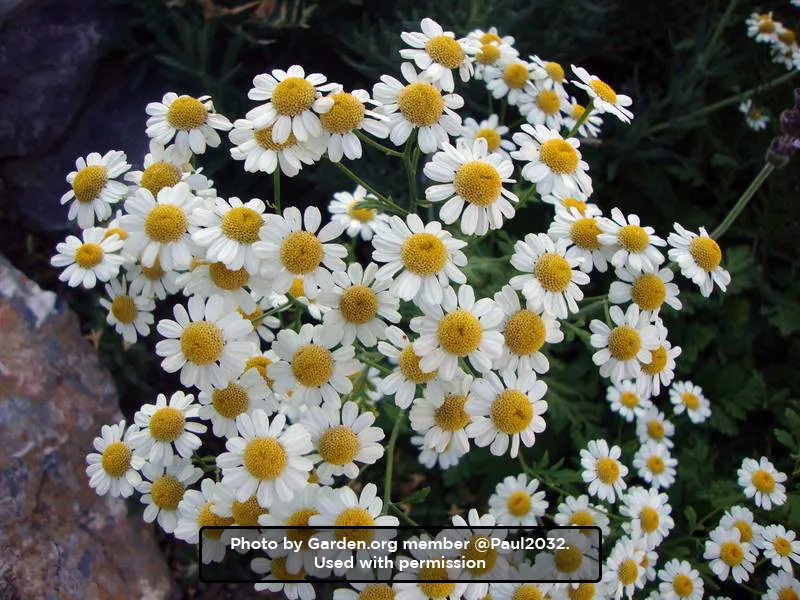
Feverfew
Tanacetum parthenium
Price: $3.26
SKU: 40000221Choose a variant:
Feverfew is a garden gem that seamlessly blends ornamental beauty with medicinal value. Native to Eurasia, this tender perennial has a rich history dating back to the first century, when the Greek herbalist Dioscorides first extolled its virtues in "De materia medica." Hardy perennial (USDA Zones: 5-10)
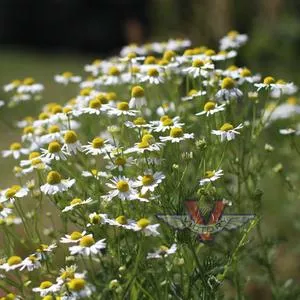
Feverfew is renowned for its highly ornamental daisy-like blooms and lush deep-green foliage, making it a favorite in medicinal gardens. In full sun, this plant can reach a tidy 30 inches in height. Its delicate white flowers are not only a visual delight but also hold up well in bouquets and vase arrangements. Feverfew is used in traditional teas and has a long history of medicinal use.
Genetic Classification: Open Pollinated
The Victory Seed Company does not advocate medical self-diagnosis or self-medication. Reference to the medicinal properties of plants are described here for educational and historical purposes only and are not to be construed as a prescription, prognosis or diagnosis for any disease or illness. As with any remedies or medicines, you should consult your personal health care provider before using.
Sowing Depth: Surface sow. Press seeds lightly into the soil and do not cover. Feverfew needs light to germinate.
Cold Stratification: Feverfew seeds are not strictly required to be chilled before planting, but a period of cold stratification can improve germination rates and timing. To stratify, mix seeds with a bit of damp sand or place them on a moist paper towel, seal in a bag, and refrigerate for 2 to 4 weeks before sowing. This step mimics winter conditions and can lead to more even sprouting. Sowing outdoors in late fall achieves the same result naturally, since the seeds chill in the ground over winter and sprout when the soil warms in spring.
Germination Time: 7 to 21 days (commonly 10 to 15 days) after stratification and once conditions are right for sprouting.
Starting Indoors: Recommended. If starting indoors, stratify seeds in the refrigerator for 2 to 4 weeks first, then sow 6 to 10 weeks before your average last frost date. Keep soil at 60 to 75°F for germination.
Direct Sowing: Sow outdoors 4 to 6 weeks before your last frost date, as soon as the soil can be worked, after your last frost, or in late fall to allow natural cold stratification over winter.
Cold Stratification: Feverfew seeds are not strictly required to be chilled before planting, but a period of cold stratification can improve germination rates and timing. To stratify, mix seeds with a bit of damp sand or place them on a moist paper towel, seal in a bag, and refrigerate for 2 to 4 weeks before sowing. This step mimics winter conditions and can lead to more even sprouting. Sowing outdoors in late fall achieves the same result naturally, since the seeds chill in the ground over winter and sprout when the soil warms in spring.
Germination Time: 7 to 21 days (commonly 10 to 15 days) after stratification and once conditions are right for sprouting.
Starting Indoors: Recommended. If starting indoors, stratify seeds in the refrigerator for 2 to 4 weeks first, then sow 6 to 10 weeks before your average last frost date. Keep soil at 60 to 75°F for germination.
Direct Sowing: Sow outdoors 4 to 6 weeks before your last frost date, as soon as the soil can be worked, after your last frost, or in late fall to allow natural cold stratification over winter.
Customer Reviews:
Do you have experience with this one? 📝 📣 Write a review!
No reviews have been posted yet.