


New Zealand Spinach
Price: $3.45
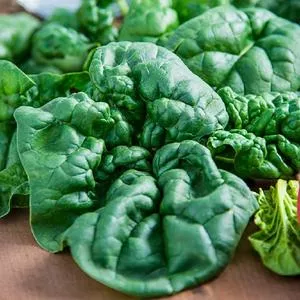
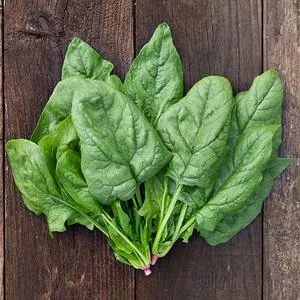
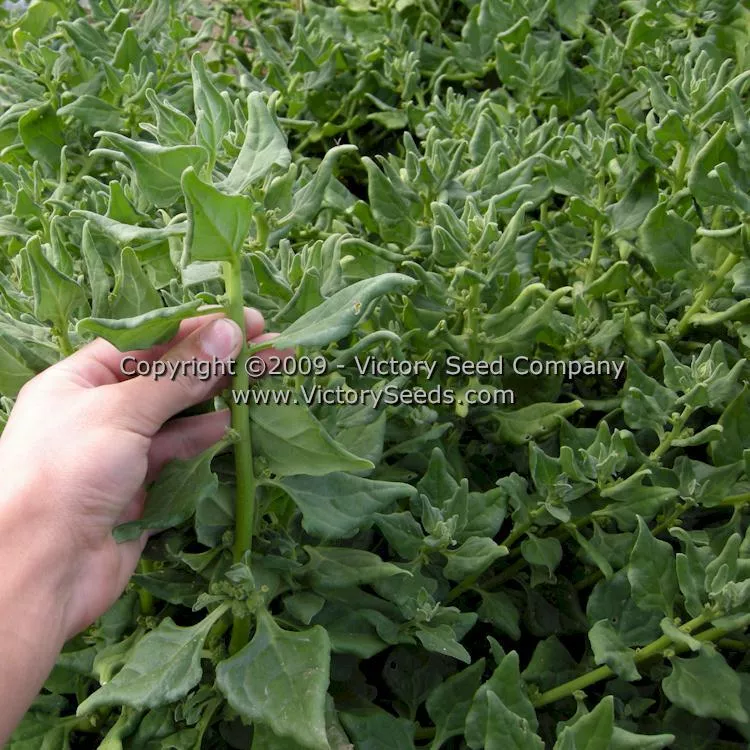
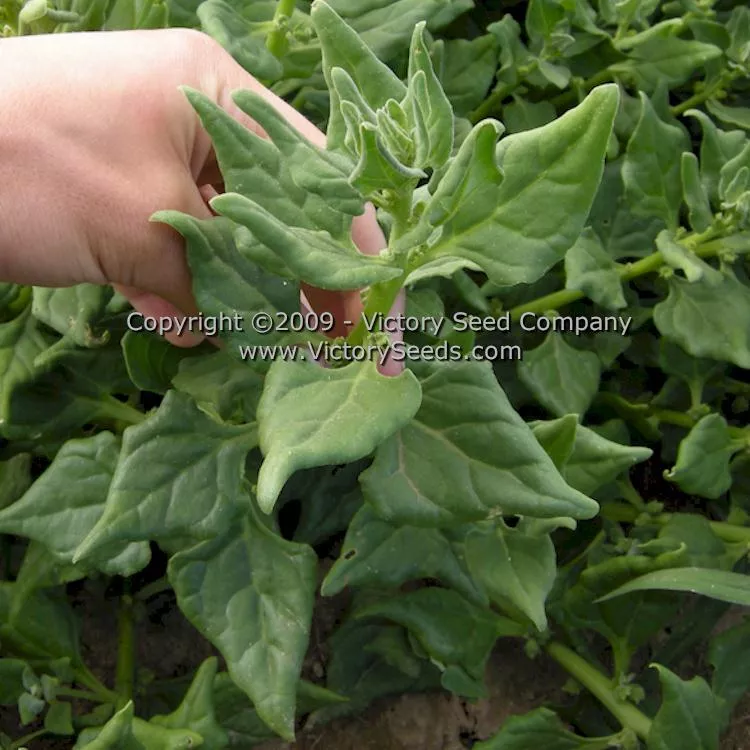
SKU: 3360021The plant produces small, fleshy green leaves with a mild, slightly bittersweet flavor. Young leaves are good raw in salads, and larger leaves wilt down when cooked. It cooks well in stir fries, spinach pies, and garlicky greens, and it pairs nicely with seafood, chicken, eggs, and pasta. You can boil, braise, steam, or stir-fry it, or serve it fresh with lemon and olive oil. It is high in vitamins, especially vitamin C.
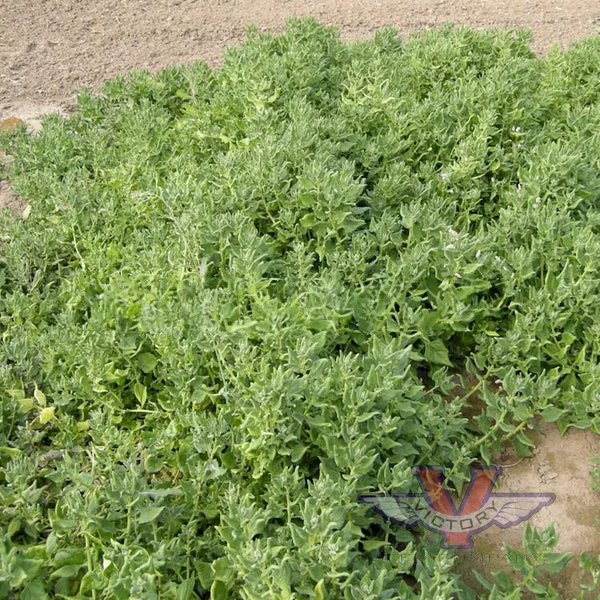
It can be grown as a perennial in USDA zones 8 and warmer, where it keeps producing for long stretches. One thing to keep in mind, unlike spinach it is not frost hardy. In cooler regions, gardeners grow it as an annual. It is drought tolerant once established, but it grows best with steady, moderate moisture. Pests rarely touch it, including snails and slugs.
Days to Maturity: 70
Lifespan: Annual
Sun Requirements: Full Sun
Genetic Classification: Open Pollinated
Pick a spot in full sun, though some afternoon shade helps in very hot climates. Use well-draining soil rich in organic matter, with a pH of 6.0 to 7.0.
Soak seeds for 24 hours before planting to speed up germination. Sow directly in the garden, or start indoors 2 to 3 weeks before your last frost date. Plant seeds 1/2 inch deep. Expect sprouts in about 7 to 21 days. Germination is naturally low.
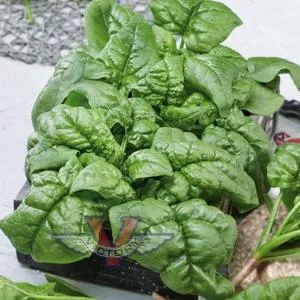
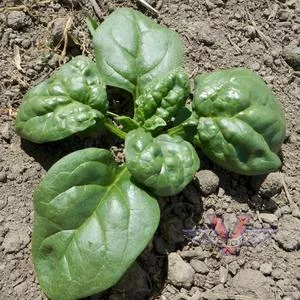
Sow seeds 1 to 2 inches apart, then thin seedlings to 4 to 6 inches apart, with rows 12 to 18 inches apart. The plants sprawl as they grow, so give them room.
Customer Reviews:
By Patty Carroll on January 19, 2020
I have not had to buy more seed. I have had the same plants for over a year now. I give my friend a garbage bag full of the spinach including stems once a week. It just keeps going.
By Elene Gusch on May 9, 2017
In our hot, dry climate, most greens bolt quickly. New Zealand Spinach is a bit different from kale, chard, etc., and not great raw like real spinach, but it keeps going through the whole summer. Extremely useful in many dishes and has a mild taste. I think everyone should grow it, yet few people seem to have even heard of it.
By Don Calzia on August 23, 2016
We, as well a neighbors, enjoyed bountiful harvests right up until July first, when we had abnormally high temps in the 105 to 110F. Thereafter, one prolific plant completely died out, and now the others are similarly declining. I was hoping to continue through the winter as it is warm here.
By Amber Schooley on September 7, 2014
I love the taste of this plant. Slightly milder than spinach, although the texture is a little different. I love that it doesn't go bitter when it flowers. I love it in salads, on sandwiches, and in shakes. I use a lot of it because we use over two cups in a shake every morning. I had trouble with germination in the beginning; I planted all of the seeds and only got four plants out of it. One warning, though: if you let the flowers go to seed, make sure to isolate the leaves before use. It was not particularly pleasant getting immature seeds in my shake.
By Joe DeMeo on February 5, 2014
May 1st I planted these seeds as directed and it took almost 2 weeks for just a couple to germinate so I planted what seeds I had left. They came up great and grew wonderfully all year! The plant was more of a vine than a bushy plant and had such green fuzzy leaves. My Kale next to it was bothered my cabbage moth but the spinach was left totally alone. I enjoyed fresh spinach salads until the cold fall!
By Tim Brown on March 30, 2013
Definately had no issues with germination. Once it started I could barely keep up with it...very productive and tastes good also!... Keeper for sure!
By Janet Melton on January 26, 2013
The ever bearing packet of seeds.(It just seemed that way) I just purchased my second packet of seeds. The first one was seven or eight years ago. Each seed produces a wonderful plant that is full and large and green and keeps producing all season long. So you don't need to plant many unless you have a really large family. I love it in salads and to cook with too.